A chaotic puzzle runner where players race to collect, combo, and clean their way to a high score.
Overview
Wash Out! is a vibrant 3D mobile puzzle runner that reinvents the endless runner formula with a combo-focused scoring system and arcade chaos. Players dash through rainy neighborhood streets, collecting colorful laundry while dodging traffic and hazards. With every item scored, matched, or muddied, players chase high scores by mastering combos and managing baskets before time (or a hot dog cart) ends the run.
Designed in Unity and developed by a 7-person indie team, Wash Out! combines fast-paced obstacle avoidance, strategic boosters, and expressive customization. It’s mobile-first fun with scoring depth, quirky humor, and short-session replayability.
I led the design of Wash Out! from concept to prototype, directing the gameplay systems, monetization, and cosmetic progression while organizing GDDs, feature documentation, and team sprints.
• Project Timeline: 2021 – 2023
• Team Size: 7 (Gxplorers Studio)
• Engine: Unity
• Platform: Mobile (Android & iOS)
• My Role: Studio Founder, Lead Designer, Team Producer
Key Responsibilities:
◦ Created the scoring, combo, and booster systems at the core of gameplay.
◦ Designed and documented full GDD, UI wireframes, progression loops, and monetization.
◦ Balanced obstacle layout, power-ups, and pacing across tile-based map logic.
◦ Directed the design and structure of all menus, shop systems, and customization.
Currently in final iteration phase, with leaderboard and tutorial systems pending.


Gameplay Mechanics
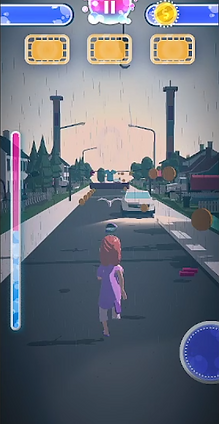
Wash Out! blends the speed of an endless runner with the depth of a combo-based puzzle system. Players dodge hazards, collect clothes, and match combos to climb the leaderboard and survive the chaos.
Collection

Grab hanging clothes and build combos by matching type or color. Stack combos to earn special bonus items and multiply your score.
Hazards
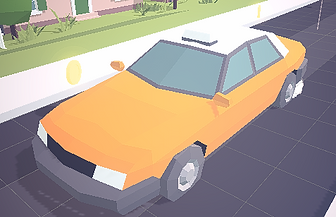
Avoid cones, fences, mud, hotdog carts, and cars. One hit = one basket lost. Lose all three, and the run ends.
Combos

Use three baskets to match laundry sets. Score higher by creating Color, Type, or Perfect Matches (both). Dirty clothes break combos.
Power-Ups
Boosters
Environment
Grab Magnet, Shield, Neon Mode, and more. They trigger temporary effects like auto-combo, protection, or x2 scoring boosts.
Before each run, equip tools like Chancla, Vacuum, or Yarn Ball to clear obstacles, freeze hazards, or double coins.
A single urban map with randomized tiles, hazards, and collectibles. Coin trails and power-ups guide flow across 3 chaotic lanes.
Design Process


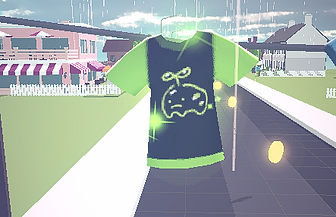
Core Systems, Combos & Boosters
I designed Wash Out! around a fast-paced combo loop: dodge, collect, match, and score. The entire game is structured around managing 3 baskets and strategically combining clothes by type and color to create scoring chains under pressure.
Core Design Values:
-
Combo-first scoring system with risk/reward tied to basket survival.
-
Loadout strategy using pre-run boosters and mid-run power-ups.
-
Responsive feedback for every player action (ragdoll hits, cloth splashes, item animations).
-
Designed for short, replayable sessions with deep scoring mastery.
Gameplay Systems I Designed:
-
Combo Logic System: color, type, perfect match, with bonus items (e.g., Bow Tie, Rainbow).
-
Power-Ups: Magnet, Shield, Neon Mode, Extra Basket, etc. triggered during run.
-
Boosters: Equipped before run, 5 uses each, including Chancla, Soap, Vacuum, Yarn Ball.
-
Grandma Sweater Mechanic: Power bar tied to 60-item collection, grants invincibility.
-
Basket Health Logic: 3-lane system where each basket acts as a “life” and scoring slot.

Performance, UI, and Mobile Optimization
Wash Out! was developed for both Android and iOS, requiring heavy optimization and interface adaptation. I rebuilt technical systems, streamlined visuals, and redesigned UI specifically for vertical one-thumb mobile play.
Level & UI Design Goals:
-
Created a modular tile-based system with low-poly prop variation to ensure 60+ FPS on mobile.
-
Clean one-thumb vertical UX with minimal HUD and high contrast feedback zones.
-
Custom swipe controls tuned for Android and iOS responsiveness across all screen sizes.
Documentation & Planning Systems:
-
Designed over 30 modular tile prefabs with hazard and collectible spawner logic.
-
Created full GDD, combo and booster logic spreadsheets, and UI wireframes.
-
Mapped visual hierarchy to in-game systems (e.g., coin trails as ideal paths, screen flashes as feedback).
-
Planned and documented compatibility testing on both Android and iOS throughout development.

Monetization, Retention & Progression
We implemented a monetization strategy focused on cosmetics and boosters while protecting the skill-first scoring loop. Players unlock cosmetics, skins, and trails with in-game coins or IAPs, with no pay-to-win systems.
Progression & Retention Design:
-
Daily rewards and rotating booster inventories to encourage return play.
-
Leaderboards to drive score optimization and long-term competition.
-
Outfit and basket unlocks tied to score milestones and combo achievements.
Shop & Economy Systems:
-
Balanced power-up rarity and booster pricing across early, mid, and late runs.
-
Designed shop layout for fast navigation and purchase clarity.
-
Cosmetic system built to reinforce player identity and visual appeal without disrupting gameplay.
Challenges & Learnings
Technical Optimization & Mobile Compatibility
Delivering a stable and performant experience across Android and iOS required rebuilding core systems to meet mobile standards without sacrificing visual identity.
What I tackled:
-
Replaced static backgrounds with pooled, tile-based spawning to eliminate FPS drops.
-
Optimized 3D assets, particle effects, and shaders for smooth performance on mid-to-low-end devices.
-
Refined Unity quality settings, camera culling, and runtime memory usage.
-
Conducted device testing across screen resolutions and OS versions to validate input consistency and framerate.
This taught me to approach mobile-first design with modular systems and early optimization in mind.

Monetization, Retention & Replayability Design
As a free-to-play title, Wash Out! required monetization systems that respected player experience while also supporting long-term engagement and studio sustainability.
What I implemented:
-
Built a dual-currency system (Coins and Wet Bills) for cosmetics, boosters, and rewards.
-
Designed an optional gacha system with no duplicate drops and fair rarity scaling.
-
Integrated boosters that changed play styles without overpowering gameplay or creating pay-to-win scenarios.
-
Added daily rewards, randomized tile layouts, and cosmetic unlocks to promote regular sessions.
This balance between ethical monetization and fun-first retention taught me how to align business models with gameplay integrity.


UI, UX, & Ergonomics for Touch Devices
Designing for one-handed vertical play meant rethinking user interaction, information hierarchy, and real-time feedback within a fast-paced environment.
What I learned:
-
Created mobile-first UI wireframes with thumb-reach layouts and minimal visual clutter.
-
Tuned swipe gestures, button sizing, and layout spacing through real-device testing.
-
Enhanced clarity using responsive animations, cloth splash effects, score feedback, and screen flashes.
-
Balanced combo density and item readability to maintain focus during chaotic gameplay moments.
These iterations helped me develop more intuitive and inclusive UI/UX practices for mobile platforms.

Production Learnings in a Small Team
With a small indie team, I took on multiple roles designer, producer, and documentation lead while maintaining consistent iteration cycles and feature delivery.
Key lessons:
-
Wrote and maintained the full GDD, UI wireframes, booster sheets, and logic systems.
-
Managed weekly sprints, task tracking, and testing pipelines using Trello and GitHub.
-
Scoped features to focus on MVP systems like combo logic, boosters, UI, and monetization.
-
Prototyped and validated systems directly in Unity before handing off to programmer.
This experience strengthened my ability to lead projects, communicate vision clearly, and ship focused, playable builds under tight constraints.